

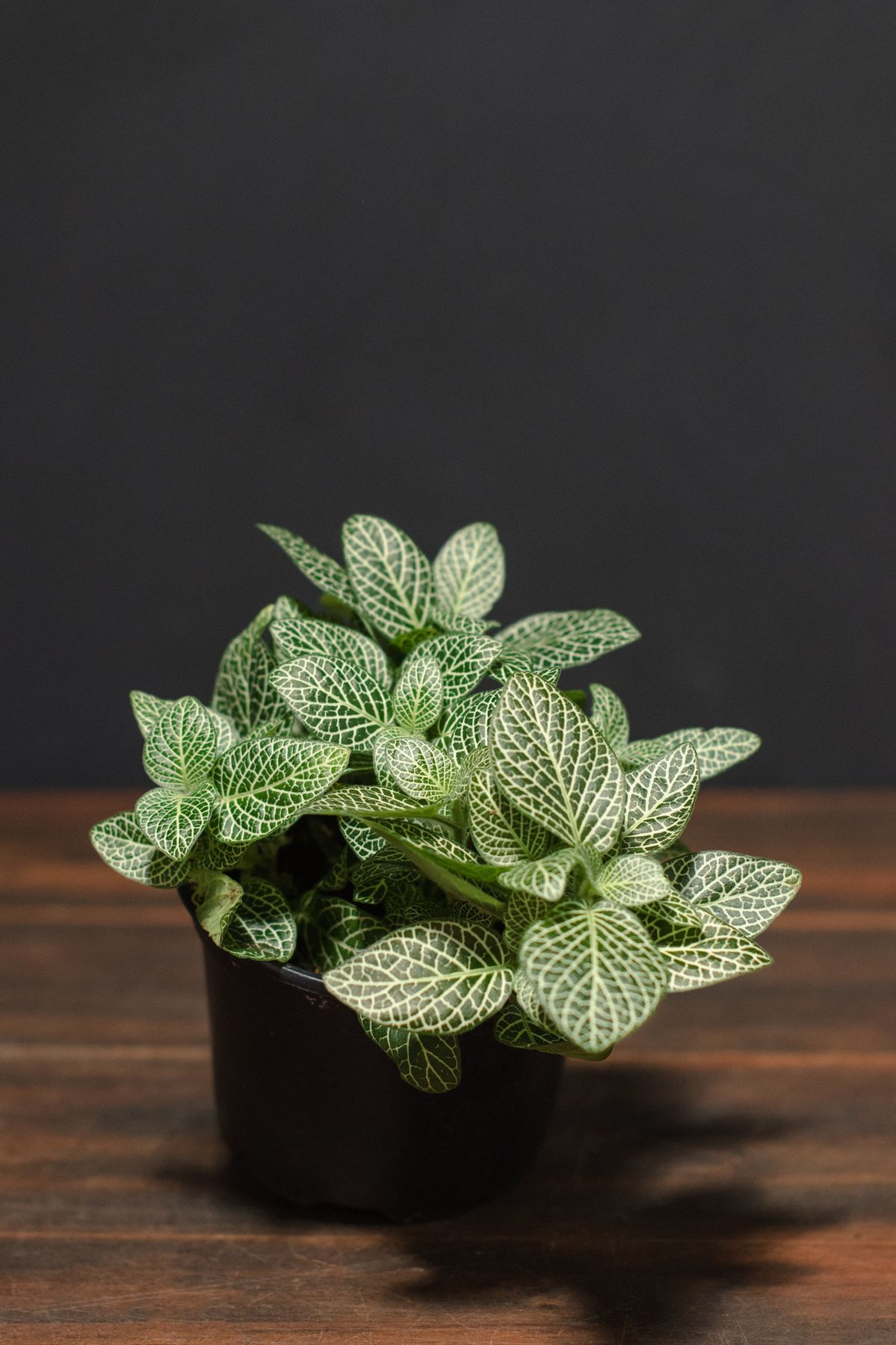
Description
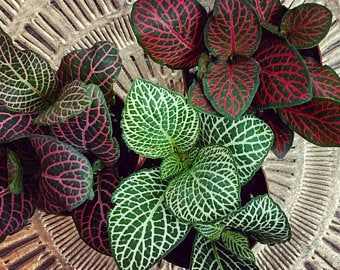
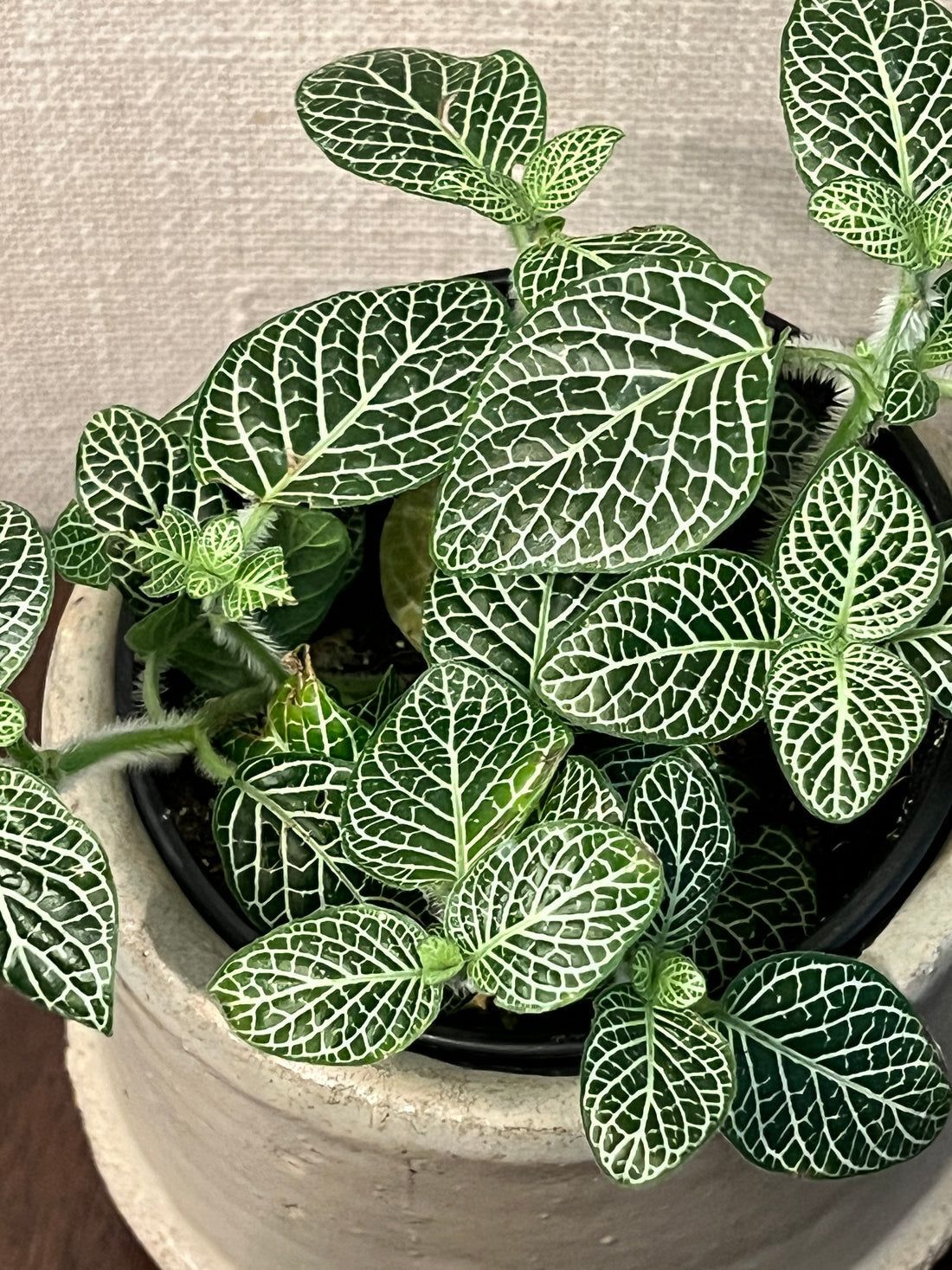
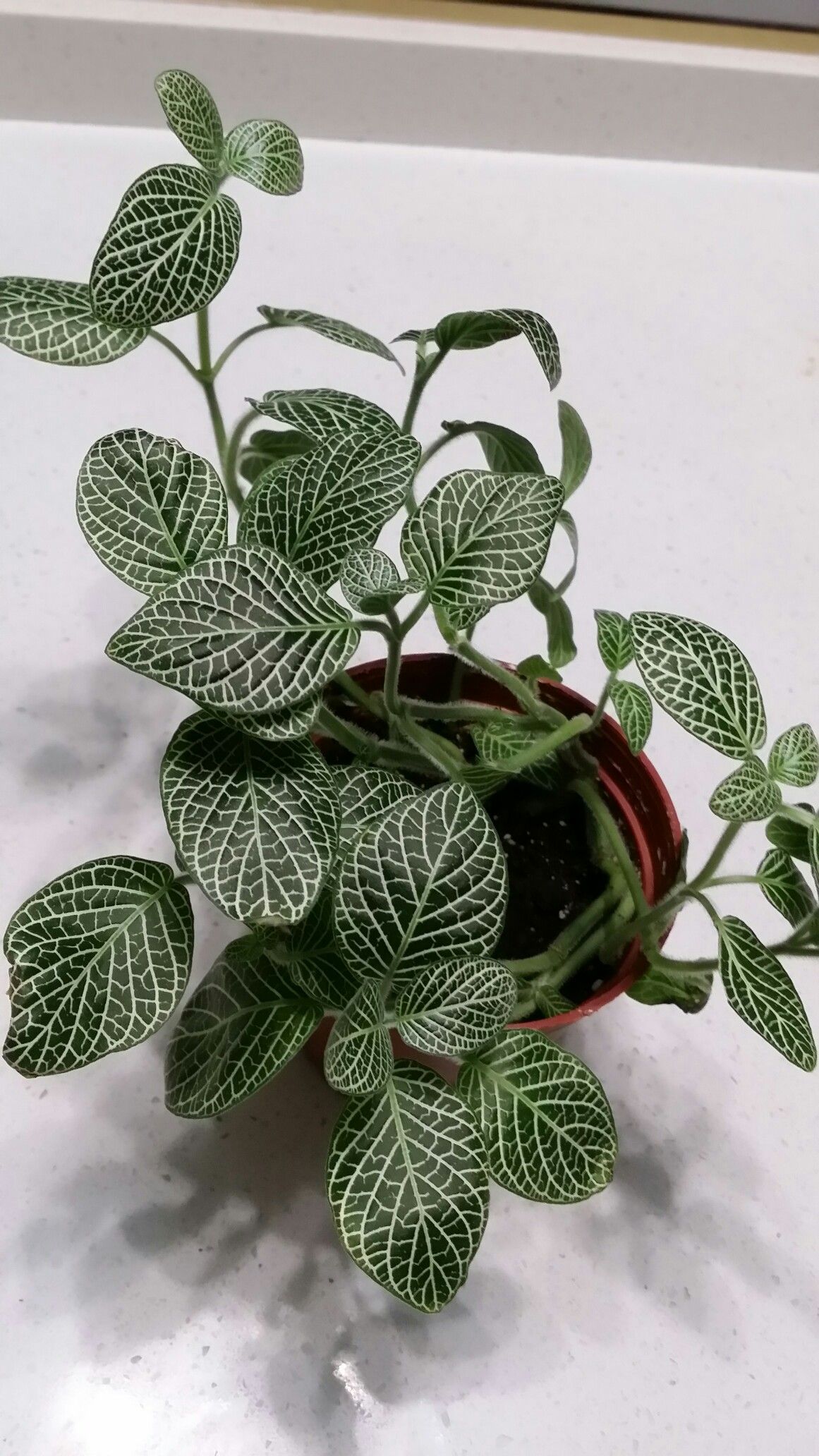
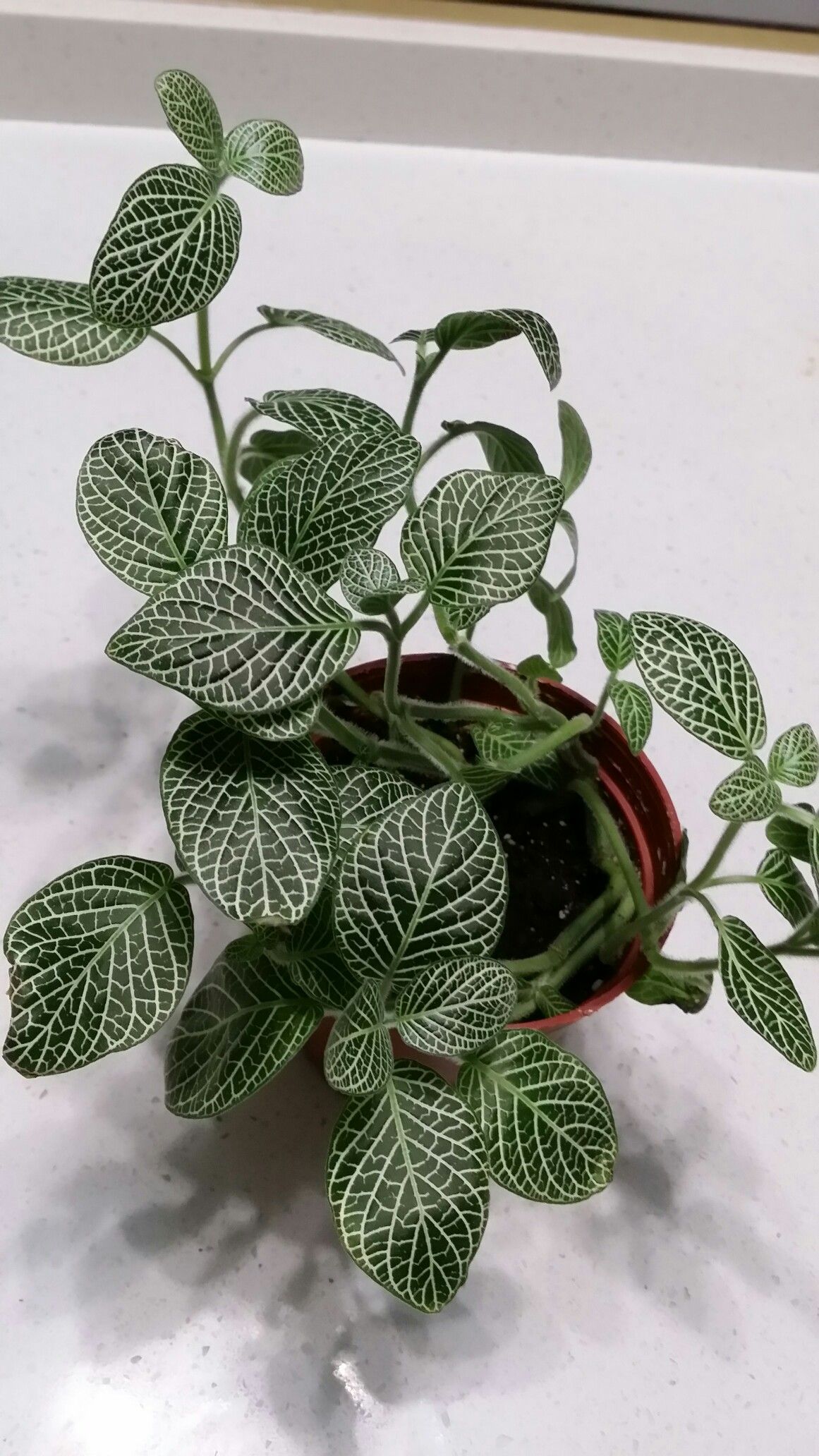
Fittonia (Nerve Plant) — 12 cm pot
Long Description / Care Instructions
Light:
Fittonia does best in bright, indirect light — a spot near a window with filtered light (e.g. through a sheer curtain) works well. Direct sunlight should be avoided, as it can scorch the leaves and fade the vibrant vein patterns. Our House Plants+2homeplantsguide.com+2
It can tolerate lower light levels (though not total darkness), but in dim light the leaf‑veins may fade and the plant may grow more slowly. Our House Plants+1
Watering:
Keep the soil consistently moist but not soggy. Water when the top ~1 cm of soil starts to feel dry — this often means watering about once a week, but frequency depends on light, temperature, and humidity.
Avoid letting the pot sit in standing water, and ensure the pot has drainage holes. Overwatering or waterlogged soil can lead to root rot.
Soil & Potting:
Use a well‑draining but moisture‑retentive potting mix — a peat‑based mix with some perlite (or similar) works well.
Because Fittonia grows slowly and stays compact, frequent repotting is generally not needed. Repot only when the plant becomes root‑bound or soil quality degrades.
Temperature & Humidity:
Fittonia prefers warm, stable indoor temperatures — ideally around 18 °C to 24 °C (65–75 °F). Avoid placing it near cold drafts, heaters, or air‑conditioning vents.
It thrives in high humidity. Aim for humidity around 50 %–70 %. If your home air is dry (common in winter or with heating), increase humidity by misting regularly, placing the pot on a pebble tray with water, grouping plants together, or using a small humidifier.
Fertilization:
Feed with a balanced, diluted liquid houseplant fertiliser during the growing season (spring and summer) every 4–6 weeks. Do not fertilise in winter or when the soil is very damp.
Reviews
There are no reviews yet.